Disclosure: As an Amazon Associate, KeenSift earns from qualifying purchases. This guide contains Amazon affiliate links — they never affect our picks or the price you pay.
The BenQ e-Reading LED Desk Lamp is our best overall pick for one plain reason: it treats eye strain as an engineering problem, not a marketing line. It carries IEEE 1789 flicker-free certification, a CRI above 95, and an RG0 (no blue-light-hazard) rating, and its OVAL-Light optics spread a rated 500 lux across a roughly 35-inch-wide pool — far wider than the tight cone most lamps throw. A built-in sensor auto-dims to match your room, and a one-touch Screen Mode dips the center to cut monitor glare. Those are the specs that actually matter across a long workday, and most "best desk lamp" lists skip them entirely. Below we break down five more picks — a true budget option, a clamp-on architect arm, and monitor light bars for desks with no surface to spare — plus a plain-English guide to the question that trips everyone up: do you want a desk lamp or a monitor light bar? Often the honest answer is one of each.
The BenQ e-Reading LED Desk Lamp is the best desk lamp for most people: it is IEEE 1789 flicker-free, rated CRI 95+, RG0 blue-light-safe, and lights a wide 500-lux area with auto-dimming. For a budget pick under $40, the Lepro LED Desk Lamp (9.5W) covers the basics well.
Five color temperatures, five brightness levels, and a wide frosted head that softens glare — the essentials done well for the price. It doesn't publish the flicker or CRI data the premium picks do, so buy it for value, not for lab-grade eye-safety specs.
Best clamp-on for drafting and small desks
Phive CL-1 Architect LED Desk Lamp
A metal swing arm on a desk clamp reaches far over a drafting table or keyboard, folds out of the way, and remembers your last setting via memory function — ideal when you need light exactly where your hands are and no base eating desk space.
Best when your desk has no room to spare
BenQ ScreenBar Halo LED Monitor Light Bar
Clips to the top of your monitor for a zero desk footprint, with asymmetric optics that light the desk without bouncing glare back at the screen, plus a wireless control dial and a rear ambient backlight to soften screen-to-wall contrast.
How we picked
How to Choose the Best desk lamps
01
Insist on flicker-free lighting. Cheap LED drivers pulse fast enough that you can't consciously see it, but your eyes still register it as low-grade strain. Look for the IEEE 1789 flicker-free standard — the BenQ e-Reading states this explicitly; many budget lamps stay silent on it, which usually means they were never certified.
02
Check CRI and aim for 90+. Color Rendering Index measures how truthfully a light shows color, on a 0-100 scale. Below roughly 80, whites look dingy and fine detail flattens, so your eyes work harder. The BenQ e-Reading and OttLite ClearSun publish CRI 95+, which is what you want for reading and any color-critical task.
03
Match brightness AND coverage to your desk, not just the lumen number. High lumens crammed into a narrow cone leaves dark edges and harsh contrast. Prioritize wide, even coverage — the BenQ e-Reading's OVAL-Light optics spread a rated 500 lux across a ~35-inch span, well beyond a typical spot lamp.
04
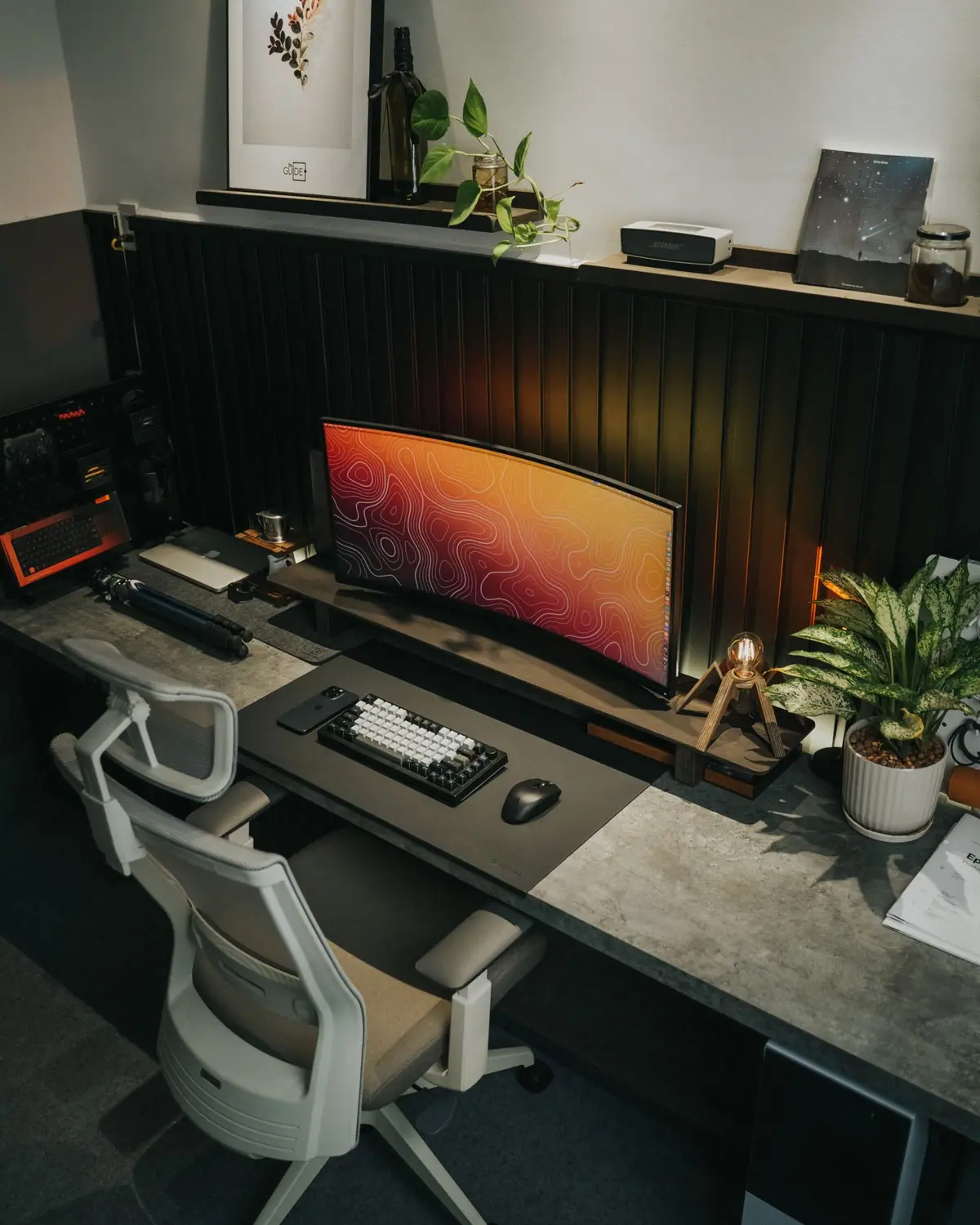
Decide up front: desk lamp, monitor light bar, or both. A desk lamp lights the surface for paper tasks; a monitor light bar (BenQ ScreenBar Halo, Quntis) clips to the screen, saves desk space, and avoids reflecting glare into the display. See the decision table below — for many people the honest answer is one of each.
05
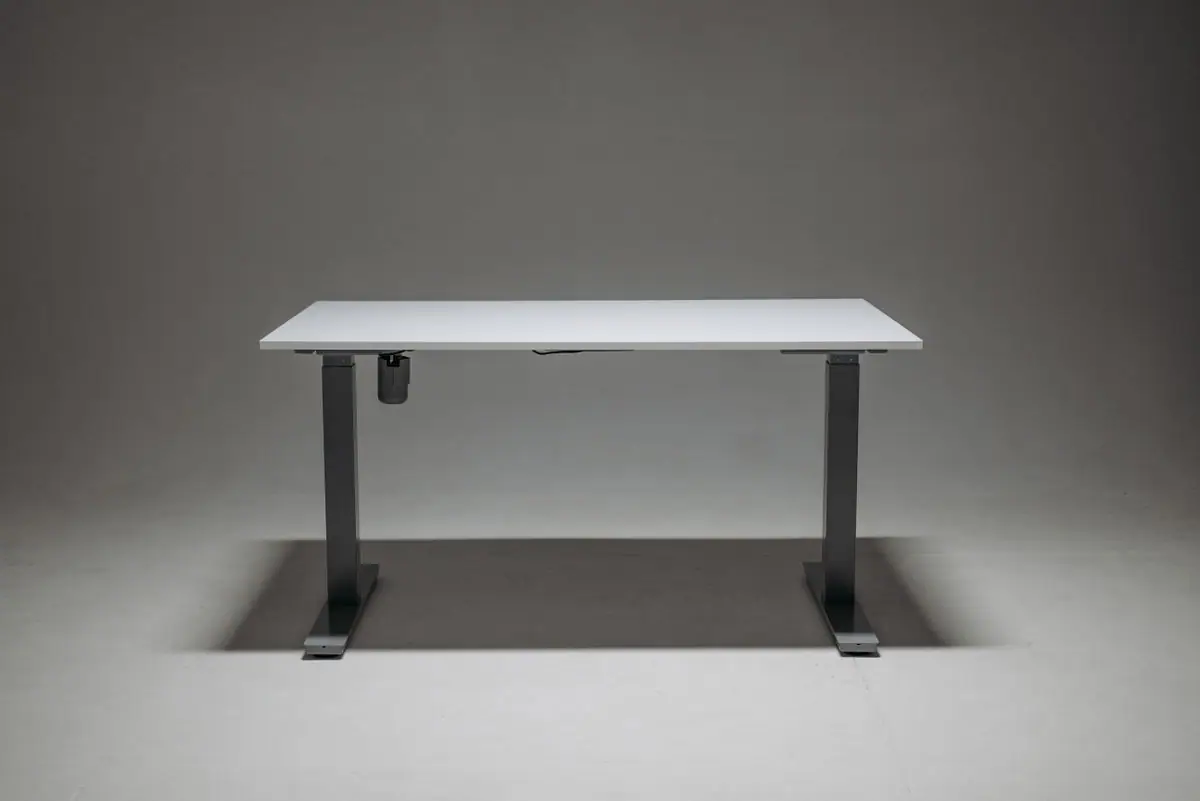
Choose the right mount. A weighted base is stable and easy to reposition; a desk clamp (Phive CL-1) frees up surface area and lets a swing arm reach over a keyboard or drafting board. Rigid swing arms hold position better over years of adjustment, while gooseneck arms bend anywhere but can sag over time.
06
Get adjustable color temperature. Use cool 5000K-6500K light for daytime focus and warm 2700K-3000K in the evening to ease fatigue and avoid disrupting sleep. Lamps like the OttLite ClearSun and Lepro offer multiple modes so a single fixture works morning to night.
07
Weigh the convenience extras honestly. A USB port, a Qi wireless-charging base (OttLite ClearSun), or auto-dimming (BenQ e-Reading, Quntis) are genuinely useful, but don't let a feature list distract you from the flicker, CRI, and coverage fundamentals that actually protect your eyes.
Find your match
Desk Lamp vs Monitor Light Bar: Which Do You Need?
The question that trips up most buyers isn't which lamp — it's whether you want a lamp at all or a monitor light bar. Match your setup below.
Your situation
Better choice
Pick in this guide
You read paper, sketch, or do close handwork
Desk lamp — pool of light on the surface
BenQ e-Reading (overall) / Lepro (budget)
Almost all your work is on a monitor and desk space is tight
Monitor light bar — zero desk footprint, no screen glare
BenQ ScreenBar Halo / Quntis (budget)
You want color accuracy for craft, sewing, or art
Daylight-spectrum desk lamp, CRI 95+
OttLite ClearSun
You need light over a drafting table or keyboard
Clamp swing-arm lamp — frees the desktop
Phive CL-1
You do both screen and paper work
One of each — light bar for the screen, small lamp for paper
ScreenBar Halo + Lepro
Editorial guidance based on manufacturer-published specifications and current product listings, not independent lab testing. Flicker, CRI, and lux figures are as stated by each maker; eye-strain benefits are manufacturer claims.
Ranked, best first
Our Top Picks
1
BenQBest Overall
BenQ e-Reading LED Desk Lamp
Color Temperature
2700K–5700K (13 levels)
CRI
Ra 95
Flicker
IEEE 1789 flicker-free certified
Coverage
Up to 35.4 in wide; 500–1000 lux
Controls
Auto-dimming ambient sensor + touch dial
Arm
Adjustable swing arm, weighted base
What we like
CRI Ra 95 plus IEEE 1789 flicker-free certification give it the strongest eye-strain credentials of any lamp here
Ultra-wide asymmetric optics light a 35-inch span evenly, avoiding the bright hotspot and harsh shadow of ordinary lamps
Ambient-light sensor auto-dims the lamp as room light changes, and it conforms to IEC blue-light-hazard standards
Worth noting
Premium price — several times the cost of a basic LED desk lamp
No USB charging port, so device charging needs a separate adapter
The most complete desk lamp for long reading and screen work, pairing certified flicker-free, high-CRI light with the widest and most even coverage in this guide.
Asymmetric optics light the desk without casting reflections on the screen — the core problem no standalone lamp solves
Wireless dial adjusts brightness and color temperature without reaching over the monitor
Clamps on without tools or desk space and runs off a single USB port; LEDs are flicker-free and blue-light-hazard-free
Worth noting
Useless without a monitor to mount it on — not a standalone lamp
Among the priciest picks here for the amount of task light delivered
The best choice for monitor-centric desks, eliminating screen glare and freeing desk space while a rear backlight softens the contrast behind the display.
BenQ ScreenBar Halo 2— The newer revision of our monitor-light-bar pick, adding a much lower minimum brightness and a motion sensor — worth it if you want the latest version and can pay more.View on Amazon
Quntis Monitor Light Bar PRO+— A brighter Quntis bar (rated up to ~1200 lux) with a remote, better suited to curved or ultrawide monitors that need more output than the standard model.View on Amazon
Editor's Note — how we research
Every product here was confirmed as a currently listed item on Amazon US, with model names and specifications cross-checked against BenQ, OttLite, Quntis, Phive, and Lepro manufacturer or retailer pages. We did not independently measure lux, CRI, or flicker and ran no lab testing — the flicker-free (IEEE 1789), CRI, RG0/blue-light, and lux figures are manufacturer-stated, and eye-strain reduction is a manufacturer claim, not a tested result. CRI is published for the BenQ e-Reading (Ra 95), OttLite ClearSun (95+), and Phive CL-1 (Ra 85); the Lepro and the monitor light bars do not consistently publish a certified CRI, so treat their color-accuracy performance as unverified. Confirm current price, color-temperature range, and monitor fit on the retailer page before buying.
Our Take
“The BenQ e-Reading LED Desk Lamp is the pick to beat: it's the only lamp here that publishes certified flicker-free (IEEE 1789) operation, Ra 95 color rendering, and RG0 blue-light safety together, and its wide 35-inch coverage removes the hotspot-and-shadow problem that makes ordinary lamps tiring. The catch is price and the missing USB port. If your day is spent on a monitor, don't buy a lamp at all — the BenQ ScreenBar Halo clips to the screen, kills glare, and frees the desk, and the Quntis bar does the same for less. For a genuine budget lamp, the Lepro covers the fundamentals under $40; just don't expect the certified eye-safety specs of the BenQ.”
Frequently Asked Questions
Do desk lamps actually reduce eye strain?
Yes, but only the right ones. Eye strain at a desk is driven by glare, harsh contrast between a bright screen and dark surroundings, poor color rendering, and invisible LED flicker. A lamp that is flicker-free (IEEE 1789), rated CRI 90+, and bright enough to lift the whole desk to a comfortable level addresses all four. A cheap lamp that flickers or throws a narrow, uneven cone can actually make strain worse.
Do I need a desk lamp or a monitor light bar?
If you read paper, sketch, or do close handwork, get a desk lamp — it puts a pool of task light on the surface where your hands are. If your work is almost entirely on a monitor and desk space is tight, a monitor light bar (BenQ ScreenBar Halo, Quntis) is better: it clips to the screen, uses zero desk space, and its asymmetric optics light the desk without bouncing glare back at the display. Many people are best served by one of each — a light bar for the screen and a small lamp for paper.
What CRI and color temperature should a desk lamp have?
Aim for CRI 90 or higher so colors look accurate and your eyes don't strain to resolve detail — the BenQ e-Reading and OttLite ClearSun publish CRI 95+. For color temperature, choose an adjustable lamp: cool 5000K–6500K light supports daytime focus, while warm 2700K–3000K in the evening is easier on the eyes and less likely to disrupt sleep.
Are flicker-free desk lamps worth it?
Yes. Many inexpensive LED lamps pulse rapidly from a low-quality driver; you can't consciously see it, but the flicker can contribute to headaches and eye fatigue over a long session. Look for a lamp that states IEEE 1789 flicker-free compliance, like the BenQ e-Reading — manufacturers that never mention flicker usually haven't been certified for it.
Where our specs come from
Sources
The BenQ e-Reading desk lamp is rated CRI Ra > 95, uses IEEE 1789 flicker-free non-flicker drivers, and provides at least 500 lux across a 35.4-inch-wide coverage area. BenQ — e-Reading Desk Lamp (official)
The BenQ ScreenBar Halo uses asymmetric optics to light the desk without reflecting glare on the screen, is USB-powered with a wireless controller and a front/back light, and conforms to IEC/TR 62778 and IEC/EN 62471 blue-light standards with a non-flicker driver. BenQ — ScreenBar Halo (official)
OttLite ClearSun LED technology is rated CRI 95+ and is designed to match the daylight spectrum, which OttLite states reduces eyestrain by up to 51%. OttLite — ClearSun LED Technology (official)
Affiliate disclosure: As an Amazon Associate, KeenSift earns from qualifying purchases made via links on this page. This does not affect our editorial recommendations or the price you pay.