Disclosure: As an Amazon Associate, KeenSift earns from qualifying purchases. This guide contains Amazon affiliate links — they never affect our picks or the price you pay.
Crème de la Mer delivers rich, occlusive hydration and a smoother, more supple-looking surface for roughly 85% of users — that effect is real. Whether it's worth ~$220 for 1 oz (around $400 for 2 oz) is individual. Much of what you feel comes from petrolatum, mineral oil, lanolin and algae extract — a barrier-and-emollient combination a $15 cream can largely replicate. La Mer's genuine differentiators are its fermented "Miracle Broth," the sensory ritual of warming the balm between fingers, and the prestige, not a patented result you can't get elsewhere. If cost-per-result is your metric, a cheaper occlusive wins; if the ritual and the specific broth matter to you, that premium is a personal call, not a scam. Below we break down La Mer against three alternatives at very different price points.
Define what you actually want: pure barrier repair and dry-skin comfort, or an active anti-aging result. Occlusion (softer, plumper-looking skin) is easy and cheap to buy; measurable collagen/firming change from any topical is modest regardless of price.
02
Check the first five ingredients, not the marketing. La Mer's richness comes largely from mineral oil, petrolatum and lanolin alcohol — highly effective occlusives that also appear in drugstore creams. If those are what your skin responds to, you can buy them for a fraction of the price.
03
Match texture to your skin and climate. La Mer and Augustinus Bader are heavy and best for dry or mature skin; oily or acne-prone skin may find them too occlusive. Versed's squalane base is rich but lighter and non-comedogenic-leaning.
04
Screen for fragrance and lanolin if you're sensitive. Crème de la Mer contains a marine/citrus scent and lanolin alcohol (a common allergen); Versed and Augustinus Bader are formulated fragrance-free, which suits reactive skin better.
05
Do the cost-per-use math before committing. A 1 oz La Mer jar used twice daily lasts roughly 6–8 weeks; run that against a $15 alternative and decide whether the sensory experience justifies the multiple.
06
Try a smaller size or sample first. La Mer sells a 0.5 oz jar and travel sizes — test whether your skin genuinely responds differently before buying the full-size jar.
Ranked, best first
Our Top Picks
1
VersedBest Overall
Versed Skin Soak Rich Moisture Cream
Size
1.5 oz / 43 g
Hero ingredient
Squalane + red algae (Palmaria palmata) + hyaluronic acid
Texture
Rich cream, non-greasy finish
Fragrance
Fragrance-free
What we like
Delivers the same core job as luxury creams — barrier support, red-algae extract and deep hydration — at roughly 1/15th the price
Fragrance-free and vegan, so it suits sensitive and reactive skin better than fragranced La Mer
Squalane plus hyaluronic acid gives rich moisture without the heavy occlusive slip some dislike in petrolatum-based balms
Widely stocked at drugstores (CVS, Target) for easy repurchase
Worth noting
No prestige experience, packaging or sensory ritual — this is a functional cream, not a luxury object
Red algae content is a hydration/soothing extract, not a proven anti-aging active
Lighter richness than La Mer or Augustinus Bader for very dry or mature skin in harsh winters
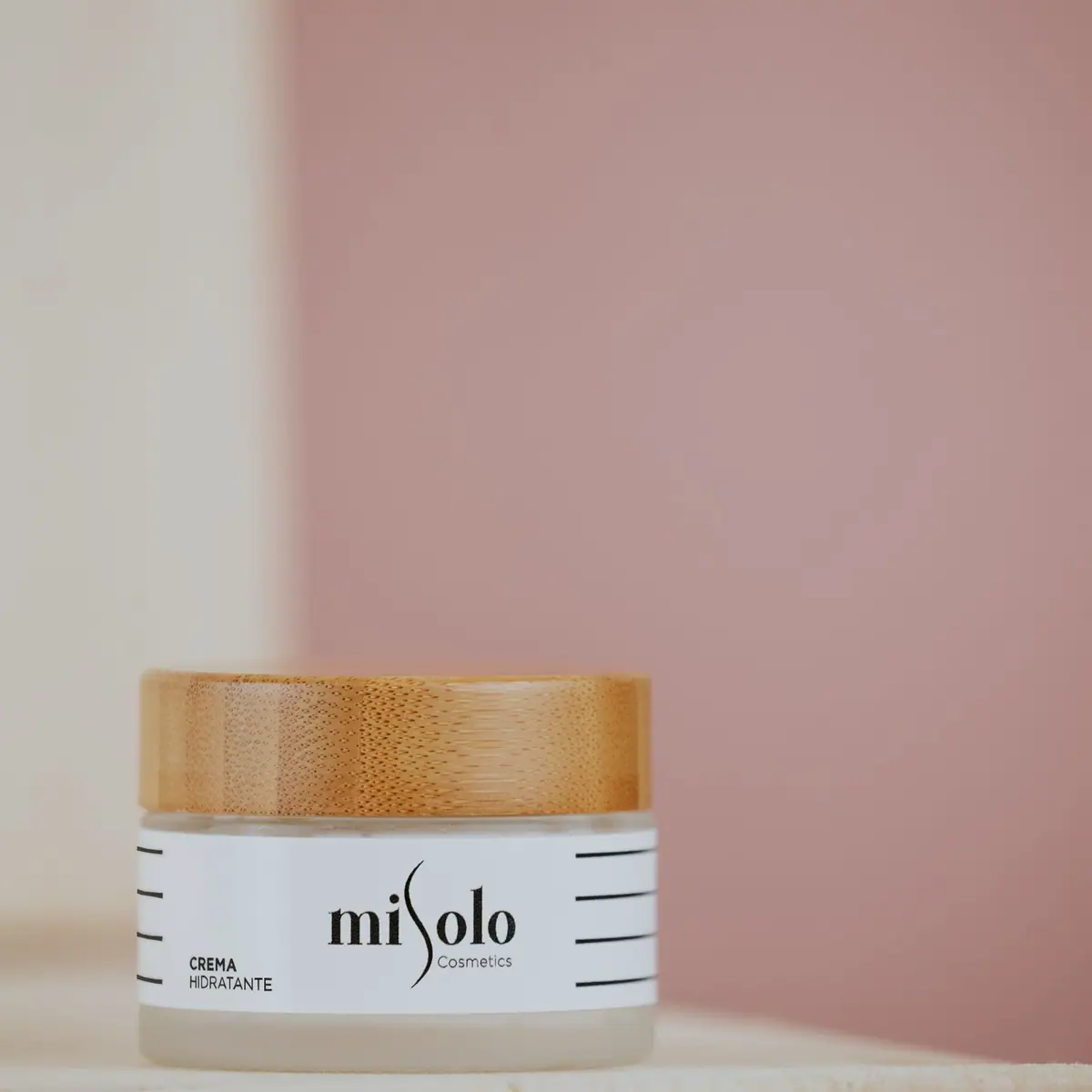
On pure cost-per-result, this is the honest winner: it uses a red-algae extract and squalane to cover the same hydration-and-barrier ground La Mer sells at 15x the price. Buy this if you want the result without paying for the ritual.
Thick occlusive balm, warmed between fingers to activate
Fragrance
Marine / citrus (lime) scent
What we like
Genuinely rich, cushioning occlusive that leaves dry skin visibly plumper and more comfortable — the ~85% texture-and-hydration result is real
Fermented Miracle Broth (kelp fermented 3–4 months) is a distinctive, brand-exclusive ingredient story
The warming ritual and sensory experience are unmatched — a real reason some users repurchase
Iconic, gift-worthy packaging and strong resale/desirability
Worth noting
Most of the felt richness comes from mineral oil, petrolatum and lanolin — inexpensive, ubiquitous occlusives
Contains fragrance and lanolin alcohol, both common irritants for sensitive skin
No independent evidence it outperforms far cheaper occlusives on measurable anti-aging endpoints
Cost-per-use is extreme; a 1 oz jar lasts only ~6–8 weeks with twice-daily use
Worth it only if you specifically value the ritual, the fermented broth and the prestige — not if you're buying results. The hydration and texture payoff is real but reproducible for a fraction of the cost.
TFC8 is a more science-forward active story (developed by a stem-cell researcher) than a fermented broth
Fragrance-free and vegan-formulated, better suited to sensitive skin than La Mer
Absorbs faster and feels less greasy than La Mer's heavy balm, with strong nourishing oils
Larger 50 ml size gives somewhat better cost-per-use than La Mer's 1 oz jar
Worth noting
Still ~$300 with no independent proof it beats a good drugstore moisturizer on measurable outcomes
TFC8 efficacy claims rely largely on brand-funded data
Overkill for anyone whose skin simply needs occlusion and hydration
The strongest 'science' narrative in the luxury tier and a better sensory fit for sensitive skin than La Mer — but it competes on story, not on a proven edge over cheap alternatives. Pick it over La Mer if you want fragrance-free luxury.
Pitera (a yeast/sake ferment) is SK-II's well-known signature with a large loyal following
Larger 80 g size and lighter texture make it more everyday-wearable than La Mer's balm
Marketed around firmness and radiance rather than pure occlusion, giving a different angle
Worth noting
Like the others, real-world results are modest relative to the price versus a cheap moisturizer
Contains fragrance and ferment ingredients that can irritate reactive skin
Firming/anti-aging claims rest largely on brand data, not independent trials
A lighter, radiance-focused luxury option that wears better daily than La Mer — but it lands last here because the price still buys a story more than a cost-per-result advantage. Consider it if Pitera specifically suits your skin.
For most people (roughly 85%), yes — on texture and hydration. It's a rich occlusive that makes dry skin look plumper and feel more comfortable. What it does not do is deliver a proven, measurable anti-aging result that cheaper creams can't. Much of the effect comes from mineral oil, petrolatum and lanolin, which are inexpensive and widely available.
Why is La Mer so expensive?
The price reflects the brand's fermented 'Miracle Broth' story, luxury positioning, packaging and marketing — not a uniquely effective formula. The core moisturizing ingredients (petrolatum, mineral oil, algae extract) are common and cheap. You're paying largely for the ritual, the brand and the sensory experience.
What is a cheaper alternative to La Mer that actually works?
For pure hydration and barrier support, Versed Skin Soak Rich Moisture Cream (around $15) uses squalane, red algae and hyaluronic acid to cover similar ground at a fraction of the cost. If you want a fragrance-free luxury option with a science-forward active, Augustinus Bader The Rich Cream is a step up in price but absorbs faster.
Is La Mer good for anti-aging?
It's good for making skin look temporarily smoother and plumper through hydration, which softens the appearance of fine lines. But there's no independent evidence it outperforms far cheaper occlusives on long-term wrinkle or collagen change. Topical anti-aging results are modest across the board regardless of price.
La Mer vs Augustinus Bader — which is better?
Augustinus Bader The Rich Cream has a more science-forward active (TFC8), is fragrance-free, and absorbs faster, making it a better fit for sensitive skin. La Mer offers a richer balm texture and a stronger ritual. Neither has proven superiority over a good inexpensive moisturizer, so choose on texture preference and fragrance tolerance.
Affiliate disclosure: As an Amazon Associate, KeenSift earns from qualifying purchases made via links on this page. This does not affect our editorial recommendations or the price you pay.